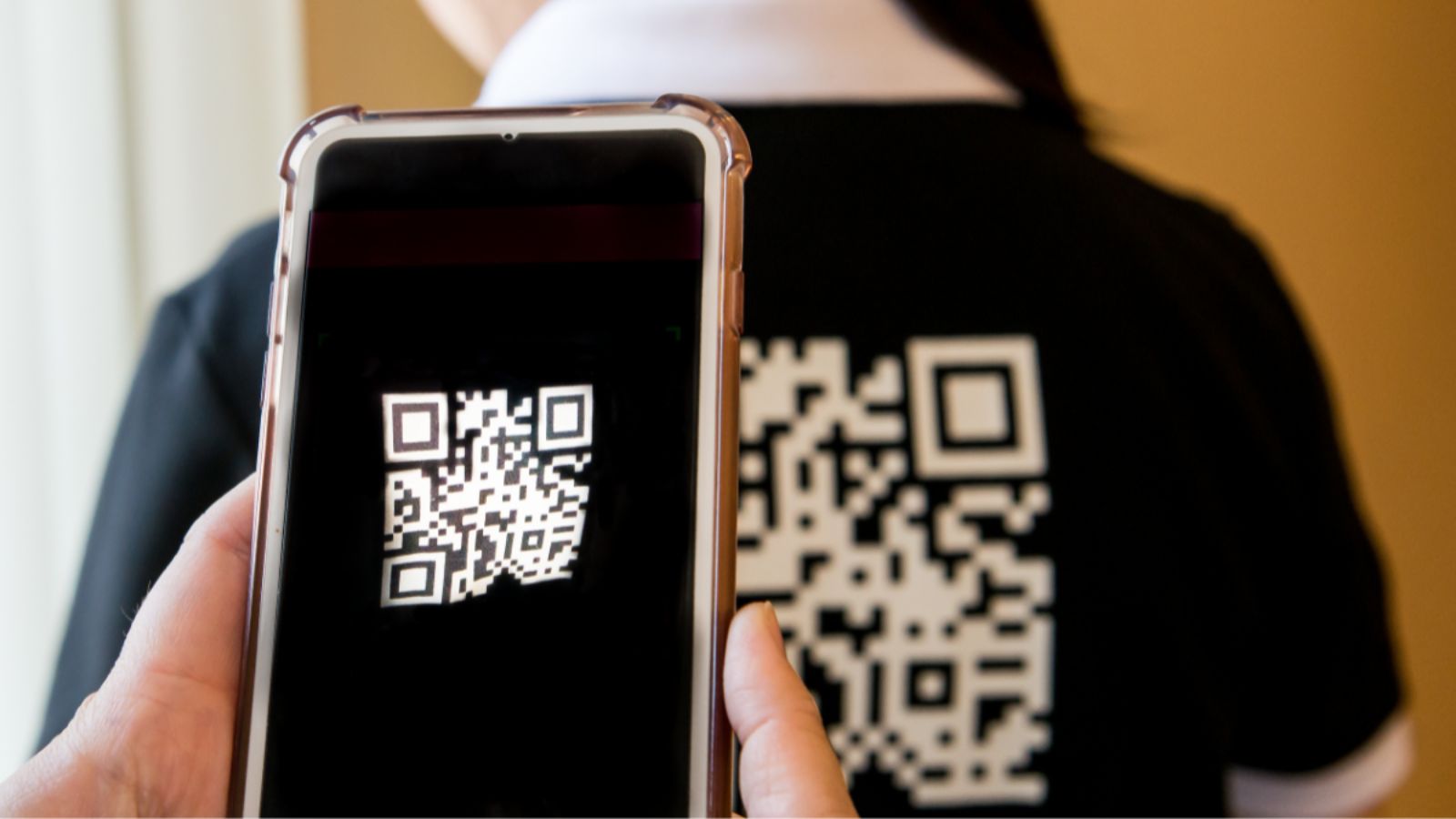
QR Codes on shirts are a powerful way to combine fashion and marketing. Custom t-shirts with QR codes help businesses and people connect directly to websites, promotions, or contact info. This turns a simple shirt into a marketing tool that can track engagement and reach.
QR Codes on Shirts: How to Turn Custom Tees into Trackable Marketing Campaigns
What Are QR Codes on Shirts?
QR codes on shirts are printed patterns scanned by smartphones that link to websites, videos, apps, or social media profiles. They turn the shirt into a tool for sharing information and engaging with a target audience.
People use QR codes on shirts to promote brands, events, or products while tracking interaction. The type of QR code and its function on apparel depend on campaign goals and can create moving advertisements or interactive experiences.
How QR Codes Work on Apparel
QR codes on shirts link a visual code to digital content, allowing a smartphone to quickly open a website, app, or other online content without typing a URL. Codes are usually printed clearly in black and white for easy scanning and placed on the front or back for visibility.
Durability is key, and the QR code works best if it stays scannable after washing and wearing. Dynamic code scans can track data like time and location, helping marketers measure campaign success directly from the shirts.
Types of QR Codes Used on T-Shirts
There are two main types of QR codes for shirts: static and dynamic.
- Static QR codes link to fixed information, such as a website URL, that never changes. They are simple and cheap to make, but offer no tracking or update options.
- Dynamic QR codes allow the content behind the code to be changed after printing. They include tracking features that collect scan statistics, helping marketers analyze their reach and engagement.
Dynamic codes are preferred for marketing campaigns because they provide flexibility and data. Static codes are more common in personal or one-time uses, such as event tickets or individual profiles.
Both types should be high-contrast and properly sized (at least 2 x 2 inches) to ensure easy scanning on shirts.
Designing Custom Tees with Trackable QR Codes
Creating custom T-shirts with trackable QR codes requires attention to placement, content, design, and branding integration. Each of these elements affects how easily the QR code can be scanned and how well it promotes the intended message or campaign.
Best Practices for QR Code Placement
Proper placement ensures your QR code is easy to scan and highly visible. Key tips include:
- Place the QR code on the chest, sleeve, or back near the shoulder blades. The chest is often preferred as it faces forward.
- Avoid seams, edges, or folds that could distort the code.
- Ensure the code is at least 2 to 3 inches square for smartphone cameras to read easily.
- For group or event shirts, consider the back near the neck so people behind can scan without interruptions.
- Focus on high-traffic areas where people naturally face or pause for better scanning opportunities.
Choosing Effective QR Code Content
Content linked through the QR code must be relevant and engaging to the audience. Most QR codes direct to websites, social media profiles, special offers, or event information. Tracking the URL with analytics tools allows marketers to see scan counts and locations.
Short, easy-to-remember URLs using link shorteners improve scanning success. Avoid linking to large files or slow-loading pages, as this reduces user engagement. It’s helpful to test the content on various devices before finalizing the design.
Dynamic QR codes let marketers change the link destination later, which is valuable for ongoing campaigns. This flexibility enables better control over marketing results as campaign needs evolve.
Design Tips for Visibility and Scanning
To ensure your QR code scans easily, follow these practical tips:
- Use high contrast between the code and the T-shirt background. Dark codes on light shirts or white codes on dark shirts work best.
- Avoid overly complex QR codes with many colors or embedded logos inside the code area.
- Leave sufficient white space (quiet zone) around the QR code to separate it from other design elements.
- Choose printing methods like direct-to-garment (DTG) or heat transfer for sharper edges; screen prints can blur small details.
- Ensure the printer uses high resolution for the clearest scanning results.
Integrating Branding with QR Code Graphics
Events are ideal for promoting shirts with QR codes by placing them on brand ambassadors or distributing them as merchandise to encourage natural scan code interactions.
Pairing shirts with print materials or incentives like giveaways boosts engagement and clarifies the QR code’s purpose. Clear instructions and testing visibility under different lighting ensure users can scan the code easily.
Launching and Tracking QR Code Marketing Campaigns
Launching a QR code campaign on shirts requires careful setup and promotion to collect accurate data. Tracking must be linked to analytics tools to monitor scans and user behavior. Using event marketing and analyzing data afterward helps improve campaign success.
Setting Up Analytics for QR Code Scans
Before printing QR codes on shirts, connect them to an analytics platform and set clear goals such as website visits, signups, or purchases. Dynamic codes allow content updates without reprinting and provide detailed scan data like time, location, and device type.
Integrating with tools like Google Analytics, a CRM system, or UTM parameters helps track conversions, repeat users, and which shirt or campaign drives traffic.
Promoting QR-Embedded Shirts at Events
Events are a great way to promote shirts with QR codes to a target audience. You can place them on brand ambassadors or distribute them as merchandise to encourage natural scan the code situations.
Pairing shirts with print materials or incentives like giveaways and discounts boosts engagement and clarifies the QR code’s purpose. Clear instructions on the shirt and testing visibility under different lighting and movement ensure users can interact with the code easily.
Collecting and Interpreting Campaign Data
Collecting data from QR code scans involves tracking metrics such as scan counts, active times, and user locations. This information highlights which events, shirt designs, or placements generate the most engagement and helps marketers measure ROI.
Using tables or dashboards to organize data by date, location, or demographics helps compare it to campaign goals. Interpreting these insights allows adjustments to shirt designs, placement, or promotions, optimizing future campaigns and linking offline interactions to online results.
Omaha Shirts & Retro Shirtz | Custom Design Tees inside Westroads Mall in Omaha, NE
We print Custom Shirts in full photo color, have no setup fees, and don’t charge for additional colors. The price you see is the price you pay for your completed shirts. And don’t worry about the cheap T-shirt Printing and design. We carry the highest quality Gildan brand shirts available.
Stop by any day of the week or contact us for a great Omaha Custom Shirts & T-Shirts, Nebraska, sweatshirt, or hoodie! Adult unisex, youth, baby, and women’s apparel is available.