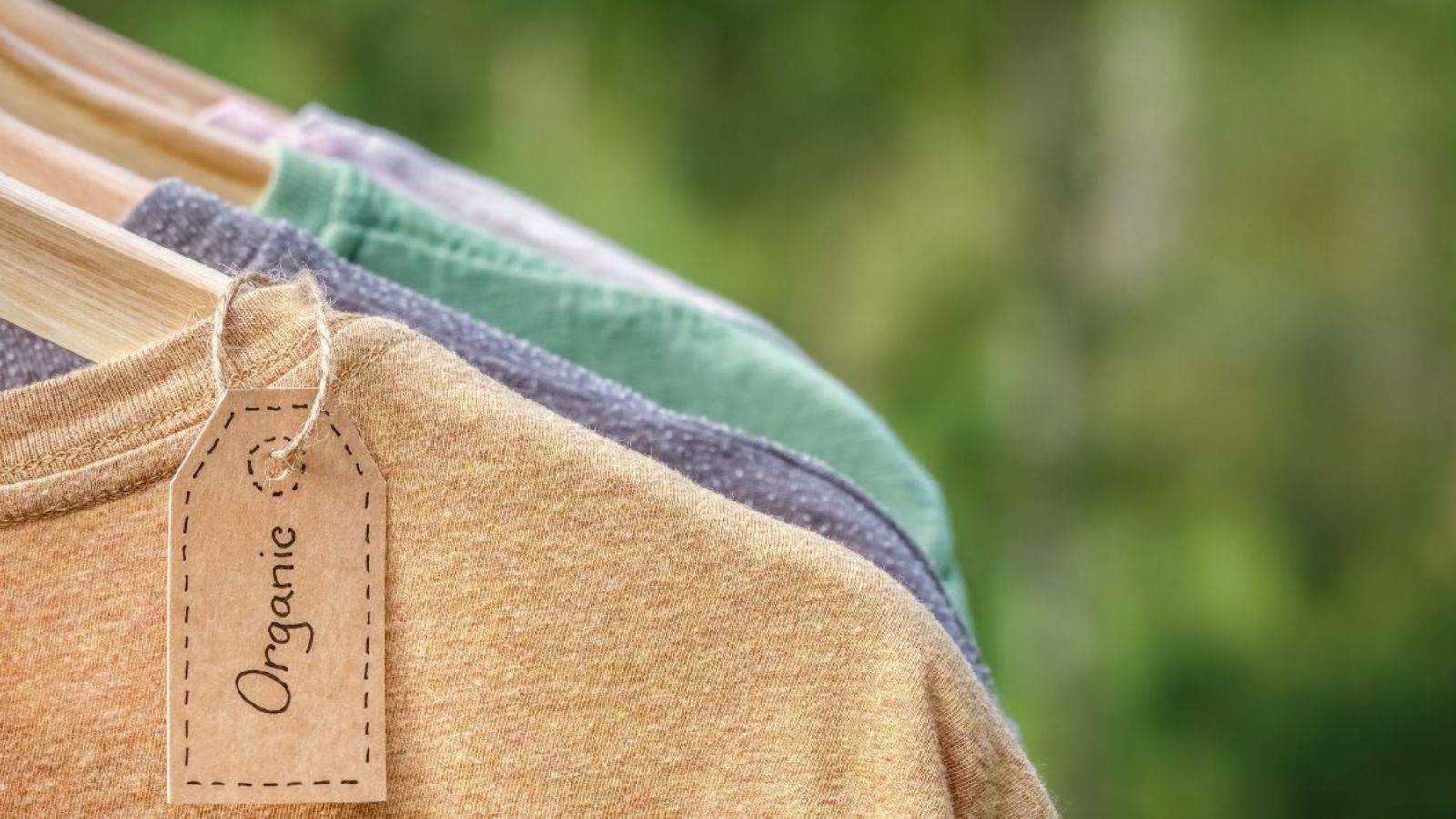
Businesses looking at new apparel options are asking different questions than they did a few years ago. Many now want to know how sustainable T-shirts from waste are made and whether these fabrics perform like traditional cotton.
Materials once treated as waste, including citrus peels and textile scraps, are now being processed into fibers for new apparel. This shift is giving manufacturers more options when developing custom T-shirts.
While these materials are still evolving, they show how existing resources can be incorporated into everyday clothing without altering how people expect a T-shirt to look or feel.
Why Waste Materials Are Finding a Place in Apparel
Not every waste material is suitable for clothing. The ones gaining attention typically contain fibers or cellulose that can be recovered and processed into textile materials.
Some examples include:
- Citrus peels
- Cotton manufacturing scraps
- Pineapple leaves
- Banana fibers
- Coffee grounds
One question buyers often ask is whether these materials are used on their own. In many cases, they are blended with cotton or other fibers to achieve the softness, durability, and consistency expected from everyday T-shirts.
This approach also gives manufacturers greater flexibility when developing fabrics for custom apparel. Blending recovered materials with established fibers helps create garments that print well while maintaining the look and feel people expect from a premium T-shirt.
How Waste Becomes Fabric
The process involves much more than collecting discarded materials.
Agricultural byproducts first go through cleaning and separation to recover usable fibers or cellulose. Depending on the material, manufacturers may convert these into regenerated fibers before blending them with other textiles.
Several production steps help determine the quality of the finished fabric:
- Fiber recovery
- Material processing
- Yarn spinning
- Fabric knitting
- Dyeing and finishing
One challenge manufacturers often face is maintaining consistency. Waste materials naturally vary depending on growing conditions, harvest seasons, or the original manufacturing process. Careful quality control helps ensure each production batch performs similarly.
Many custom apparel orders involve hundreds or even thousands of matching garments. That makes consistent fabric quality just as important as developing new sustainable materials.
Why Fabric Performance Still Matters
A common misconception is that a shirt made from waste materials will feel noticeably different from a traditional cotton garment.
In reality, buyers evaluating garments for custom printing usually move beyond the sustainability story after the first conversation. Questions often shift to how the fabric feels, whether it holds its shape after washing, and whether printed graphics will remain sharp over time.
Customers frequently ask about:
- Softness
- Breathability
- Durability
- Shape retention
- Print quality
Those questions reflect how custom apparel is actually used. Whether sustainable T-shirts are sold as merchandise or distributed at an event, people are more likely to wear them repeatedly if they feel comfortable and continue to look good after multiple washes.
What Manufacturers Consider Before Using Waste-Derived Fabrics
Choosing a fabric involves more than selecting a sustainable material. Before a new textile reaches production, manufacturers evaluate how it performs throughout the garment-making process to help ensure consistent results for custom apparel.
| Production Area | Why It Matters |
|---|---|
| Color consistency | Helps garments maintain a uniform appearance across an entire order. |
| Fabric stability | Reduces the risk of unwanted stretching or shrinking during production and after washing. |
| Print compatibility | Ensures printed graphics remain sharp and adhere properly to the fabric. |
| Stitch performance | Confirms the fabric sews consistently without affecting garment construction. |
| Long-term durability | Evaluates how the material holds up through regular wear and repeated washing. |
One pattern manufacturers often encounter is that a fabric can perform differently as production volumes increase. Before moving to larger production runs, they typically monitor:
- Dye absorption
- Stitch consistency
- Print quality
- Wash performance
- Batch consistency
Identifying these issues early helps manufacturers produce garments that perform consistently across an entire custom apparel order.
Evaluating these factors early helps manufacturers produce garments that perform consistently across an entire custom apparel order.
Why These Fabrics Appeal to Custom Apparel Projects
Organizations ordering custom apparel are increasingly looking beyond price alone when comparing garment options. One question that comes up more frequently is whether a shirt feels like something people would choose to wear outside of the event or workplace.
That shift has influenced interest in waste-derived fabrics. While sustainability may start the conversation, long-term wearability often determines whether a garment remains in someone’s wardrobe.
These fabrics may be used for:
- Company merchandise
- School apparel
- Community events
- Retail collections
- Promotional clothing
Another reason these materials attract attention is their clear material story. Organizations can explain how recovered materials are repurposed into new fabrics instead of relying on broad sustainability claims.
Looking Beyond the Material
The source of a fabric is only one part of a finished T-shirt.
Construction quality, fabric weight, printing methods, and overall durability all influence how long the garment stays in someone’s wardrobe. Even the most sustainable material needs to perform well if the goal is to create apparel people continue wearing after an event, promotion, or campaign.
As sustainable T-shirts from waste become more common, buyers are looking beyond the material itself. Fabric quality, print performance, and everyday comfort all play a role in choosing custom apparel.
Omaha Shirts & Retro Shirtz | Custom Design Tees inside Westroads Mall in Omaha, NE
We print Custom Shirts in full photo color, have no setup fees, and don’t charge for additional colors. The price you see is the price you pay for your completed shirts. And don’t worry about the cheap T-shirt Printing and design. We carry the highest quality Gildan brand shirts available.
Stop by any day of the week or contact us for a great Omaha Custom Shirts & T-Shirts, Nebraska, sweatshirt, or hoodie! Adult unisex, youth, baby, and women’s apparel is available.