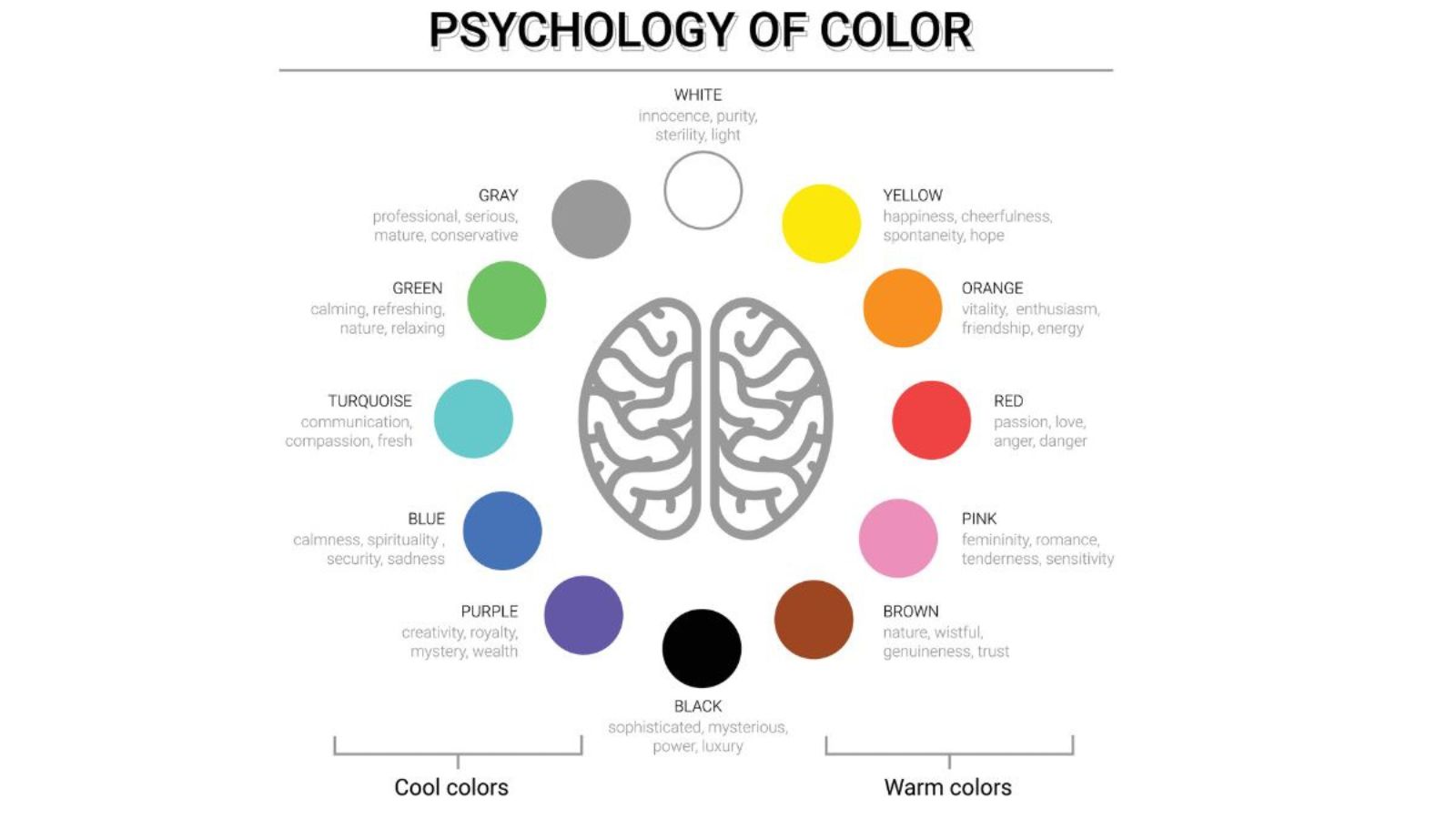
Color psychology shapes first impressions. Every morning, selecting a shirt involves a color choice that communicates mood, style, and personality. Bold colors like colored red signal confidence and energy, while softer or light colored shades suggest calm or approachability.
Understanding color psychology helps people intentionally select clothing to influence perception. The color of a shirt also impacts personal feelings, combining both self-expression and social signals.
This post will explain common shirt colors and how color theory informs these perceptions. It will also show how to use them for specific situations, at work, on a date, or casually. Expect practical tips on matching color palettes to intention for balanced and thoughtful dressing.
Color Psychology and Personality: Understanding Shirt Color Meanings
Shirt color affects both social perception and internal state. Color psychology links certain hues to specific traits, moods, and impressions. Knowing these associations allows thoughtful color combinations and wardrobe choices.
The Impact of Red Shirts on Perception
Red shirts draw attention quickly. Observers often read red as energetic, confident, and bold. In situations like presentations or social events, a red shirt can make someone seem more assertive and willing to take risks.
Red also links to physical arousal and urgency. People may perceive wearers as more passionate or competitive. This can help in roles that need visibility, but it can also come across as aggressive in calm or formal settings.
Fabric finish and shade matter. A bright, glossy red signals high energy, while a deep, muted red reads as warm and steady. Combining red with neutral pieces tones down the intensity.
Blue Shirts and the Projection of Trust
Blue shirts commonly signal calmness and reliability. Navy blue or lighter tones communicate trustworthiness and approachability, making them ideal for interviews, client meetings, or teamwork settings.
Lighter blues feel friendly, while deeper blues project competence and authority without the harshness of black. Combining cool colors like blue and green adds visual harmony.
Texture, pattern, and fabric influence the impression: smooth cotton looks professional, while soft knits feel casual. According to color psychology, these choices reduce perceived threat and encourage open communication, providing a safe, professional signal.
Black Shirts and Their Associations
Black shirts convey seriousness, sophistication, and control. People often read black as powerful and stylish, which suits formal events, creative industries, and evening settings.
Black can also make someone seem distant or unapproachable when worn alone. In conservative or warm social contexts, it may feel too severe. Fabrics change the message: matte cotton reads casual, while tailored black silk or wool feels elegant.
Alone, black may feel unapproachable, but pairing it with lighter accents or light blue tones softens the look. Color psychology emphasizes black as a tool for authority while allowing flexibility in style.
White Shirts and Their Psychological Message
White shirts signal simplicity, cleanliness, and precision. Observers associate white with organization, making it ideal for formal settings or interviews.
Color psychology suggests white communicates openness and neutrality without distraction. It does not distract and lets other elements, like a tie or shoes, stand out. However, white shows stains and wrinkles quickly, which can undermine the intended message if the shirt looks unkempt.
Fit and fabric matter: a crisp, well-fitting white shirt reads precise and competent; a loose, worn white tee reads casual and relaxed.
Choosing Shirt Colors to Influence Impressions
Choose shirt colors that match the situation and the message someone wants to send. Small details like shade, contrast with skin tone, and pattern can change how others judge confidence, warmth, or competence.
Selecting Colors for Professional Settings
In formal workplaces, navy and charcoal project competence and reliability. These deep, muted colors pair well with simple patterns and low-contrast ties or accessories to keep the focus on the person’s face and words.
White shirts signal cleanliness and attention to detail. They work best with a tailored fit and minimal wrinkles. Light blue offers approachability while still looking professional; it softens features and reduces harsh contrast under office lighting.
Avoid bright hues like neon greens or vivid oranges in interviews or client meetings. They can distract and make the wearer seem less serious. Subtle accents, such as a burgundy pocket square or muted patterned tie, add personality without undermining professionalism.
Casual Shirt Colors and Social Perceptions
Casual settings allow more freedom to show personality through color. Warm tones, such as reds, corals, and mustard, suggest energy and friendliness. People wearing these colors often appear outgoing in social situations.
Cool tones, including greens, blues, and purples, give off calm, trustworthy vibes. A forest green T-shirt or a teal polo can make someone seem grounded and approachable.
Neutral colors, like black, gray, and beige, offer versatility and a low-key look. Black can read as stylish or serious depending on cut and context. Combining colors with patterns, like stripes or small prints, changes impressions: horizontal stripes feel relaxed; fitted solids feel deliberate.
Cultural Differences in Shirt Color Interpretation
Color meanings change across cultures, so context matters. In many Western countries, white often means purity or formality, while in some East Asian cultures, white can be linked to mourning. Someone choosing shirt color for an international meeting should research local norms.
Red may signal luck and celebration in parts of Asia, but it can mean danger or anger in other places. Similarly, green carries religious or political connotations in some regions.
When unsure, stick to muted tones and classic cuts for cross-cultural events. Small local touches, like a conservative pattern or a culturally respectful accessory, help blend personal style with local expectations.
Omaha Shirts & Retro Shirtz | Custom Design Tees inside Westroads Mall in Omaha, NE
We print Custom Shirts in full photo color, have no setup fees, and don’t charge for additional colors. The price you see is the price you pay for your completed shirts. And don’t worry about the cheap T-shirt Printing and design. We carry the highest quality Gildan brand shirts available.
Stop by any day of the week or contact us for a great Omaha Custom Shirts & T-Shirts, Nebraska, sweatshirt, or hoodie! Adult unisex, youth, baby, and women’s apparel is available.